
Edit in CapCut Offline: How to Use CapCut Without Internet

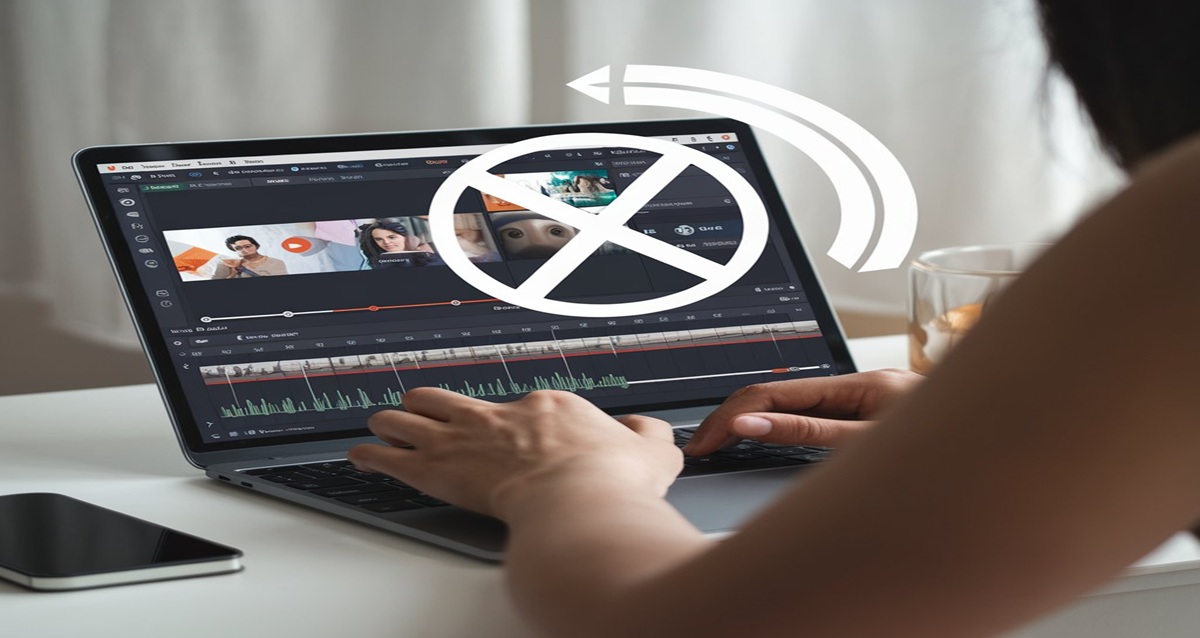
CapCut is one of those editors that feels way more powerful than people expect — especially for quick, clean social videos.
If you’re wondering whether you can edit in CapCut Offline, yes… You can. You don’t need Wi-Fi just to cut clips, add text, or build a full timeline.
The only catch? Anything that needs to download (like new effects, templates, or cloud syncing) still needs internet.
But the actual editing workflow can run perfectly fine offline.
How CapCut Works Offline
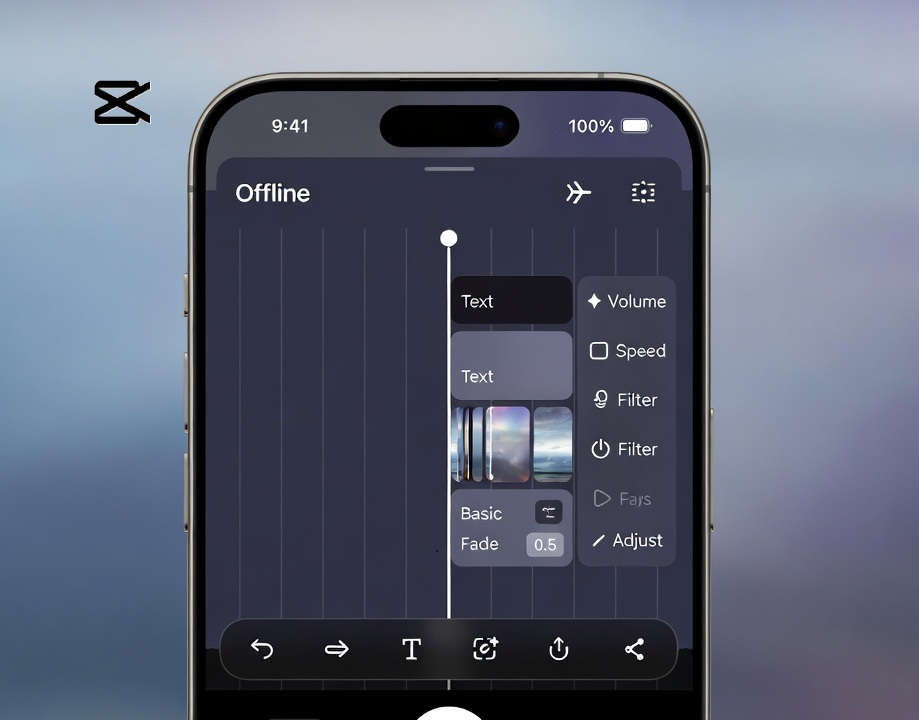
Once CapCut is installed on your phone or computer, it can run in offline mode without any issues for everyday editing.
That’s because most editing happens locally on your device — your clips, timeline, and changes are saved to your storage, not the internet. So you can still:
- import videos from your device
- trim, split, and merge clips
- add text, captions, stickers, and basic effects
- adjust speed, filters, and color settings
- edit audio (as long as the audio file is already on your device)
The only time you really need internet is when CapCut has to download something (like new effects, templates, fonts, or music) or when you want to sync/share online. So the smart move is simple: download any extras you want while you’re online, then you can edit freely offline.
How to Edit Offline in CapCut: Step-by-Step Guide
1) Install CapCut (one-time setup)
Download and install CapCut on your phone or computer while you’re online. After that, you can open and edit projects without the internet.
2) Download anything you’ll want to use later
Before going offline, download the extras you plan to use, like:
- music or sound effects
- filters, effects, transitions
- fonts or stickers (if they require download)
If it needs a “download” button, grab it now—otherwise it won’t show up offline.
3) Turn off data/Wi-Fi (optional, but useful)
If you want to confirm you’re truly offline, switch on Airplane Mode or disable Wi-Fi/data. CapCut should still launch and work.
4) Start a new project (or open an existing one)
Open CapCut → tap New project (or open your saved draft) → import videos from your device storage.
5) Edit like normal
Do your main edits offline:
- trim/split/merge clips
- add text/captions
- add transitions and effects you already downloaded
- adjust audio (using files already on your device)
6) Export when you’re done
You can export to your device offline.
When you’re ready to upload to TikTok/YouTube or sync to cloud, reconnect to the internet.
7) Quick safety tip (don’t lose your work)
Offline projects save locally, so keep enough storage space on your device. If storage is full, exports can fail even if CapCut is working fine.
What You Can Do When You Edit in CapCut Offline
When you edit in CapCut Offline, you still get all the “core” tools you actually need to build a full video. As long as your clips (and any audio you want) are already on your device, you can keep working normally.
1) Trim, split, and reorder clips
Cut out dead space, split scenes, rearrange your timeline, and merge clips — all offline.
2) Add transitions (downloaded ones included)
You can apply transitions and tweak timing. If a transition needs downloading, it won’t load offline unless you grabbed it earlier.
3) Add text, captions, and subtitles
Add titles, captions, and on-screen text. Most basic text tools work offline (fonts may vary depending on what’s already downloaded).
4) Use filters, effects, and adjustments
You can apply filters/effects and fine-tune things like brightness, contrast, saturation, and sharpness.
Tip: anything marked “download” needs to be saved before you go offline.
5) Basic audio editing
You can:
- trim audio
- adjust volume and timing
- add voiceovers
- use music/sound effects already saved on your phone/computer
6) Export to your device
Even offline, you can export the final video to your device storage. (Uploading to TikTok/YouTube comes later when you reconnect.)
What You Can’t Do While Editing Offline in CapCut
CapCut works great offline for editing, but anything that relies on online content, syncing, or sharing will be limited until you reconnect.
1) Download new assets (effects, music, templates, fonts)
If you didn’t download it earlier, you won’t be able to access it offline. That includes:
- new filters/effects/transitions
- templates and some stickers
- music/sound effects from CapCut’s library
- certain fonts that require downloading
2) Use cloud features (syncing + cross-device projects)
CapCut’s cloud saving/syncing needs internet. Offline, your project stays saved locally on your device only.
3) Share directly to social apps
You can export the video to your device offline, but posting directly to platforms like TikTok or YouTube requires an internet connection.
4) Some AI/online-powered features may not load
Depending on the version you’re using, a few “smart” tools may need internet to run (or to download model packs/assets). If a feature shows a download icon or won’t open, it’s usually an online requirement.
Offline Editing with CapCut Desktop
If you prefer editing on a bigger screen, CapCut’s desktop app (Windows + Mac) can also be used offline.
Once it’s installed, you can do most of the same core edits without internet, including:
- trimming, splitting, and arranging clips on the timeline
- adding text, captions, and basic graphics
- applying filters/effects you’ve already downloaded
- doing basic audio edits (using files saved on your computer)
- exporting the finished video to your device
The big advantage on desktop is comfort and control — more screen space, easier timeline work, and smoother editing on longer projects (especially if your computer is more powerful than your phone).
Just like mobile, anything that needs to download (templates, extra effects, some assets, cloud syncing, or direct sharing) will still require an internet connection.
Offline Editing Tips (So Nothing Breaks Mid-Edit)
If you want to edit in CapCut Offline smoothly, do these quick things first:
1) Download anything you’ll need before going offline
This includes:
- effects, transitions, filters
- fonts, stickers, templates
- music/sound effects from CapCut’s library
If you see a download icon, grab it while you still have internet.
2) Keep your media files saved on your device
Offline editing works best when your:
- Video clips are already in your phone gallery / computer folder
- audio files are already downloaded (MP3, recordings, etc.)
If the file is only in cloud storage (Google Drive/iCloud/Dropbox), it may not open offline.
3) Free up storage space
CapCut saves projects locally, and exports can be large. If your storage is tight, you may run into:
- exports failing
- laggy playback
- projects not saving properly
4) Export first, upload later
You can export offline and save the video to your device. Then reconnect later to upload to TikTok/YouTube/Instagram.
5) Don’t rely on cloud sync while offline
If you switch devices, remember: your project won’t sync until you’re back online. If it’s important, export a draft to your device as a backup.
Troubleshooting: CapCut Offline Not Working
If CapCut isn’t behaving offline, these fixes usually solve it fast.
Problem 1: CapCut won’t open (or crashes) when you’re offline
Try this:
- Open CapCut once while online, then switch offline and try again
- Force close the app and reopen
- Restart your device
- Update CapCut when you have internet (older versions can bug out)
Problem 2: Effects/transitions/templates are missing offline
This almost always means they weren’t downloaded.
Fix:
- Reconnect to the internet
- Download the exact assets you used
- Apply them again and save the project
Problem 3: Music won’t play or won’t import offline
Fix:
- Make sure the audio file is saved locally (not in the cloud)
- Re-import the audio from your device storage
- If it’s from CapCut’s library, download it first while online
Problem 4: Export fails offline
Fix:
- Clear storage space
- Lower export settings slightly (resolution/frame rate)
- Close background apps and retry
- Export a shorter test clip to confirm it works
Problem 5: Project isn’t saving properly
Fix:
- Check device storage (low storage can prevent saves)
- Keep CapCut updated
- Export a draft version as a backup when possible

Pros and Cons of Editing in CapCut Offline
Editing offline is super convenient, but it’s not perfect. Here’s the real breakdown.
Pros ✅
- No internet needed: You can edit anywhere—on the road, in low-signal areas, or during outages.
- Core tools still work: Trimming, splitting, text, captions, filters, and basic audio edits are available offline.
- Fewer interruptions: No buffering, no random loading screens, and fewer distractions while you work.
- Works on mobile and desktop: You can edit in CapCut Offline on both your phone and the desktop app.
Cons ❌
- No new downloads: You can’t pull new effects, templates, transitions, fonts, or music while offline.
- No cloud sync: Projects stay on your device until you reconnect (so switching devices won’t work offline).
- Sharing needs internet: You can export offline, but uploading to TikTok/YouTube/Instagram requires a connection.
- Storage matters more: Offline projects and exports can eat space fast—low storage can cause lag or export issues.
FAQs About Editing in CapCut Offline
Quick answers to common questions about offline editing in CapCut — what works, what doesn’t, and how to avoid losing work.
Conclusion
So yes, you can edit in CapCut Offline, and for most creators, that’s all you really need day-to-day.
As long as CapCut is installed and your clips (plus any music/effects you want) are already saved on your device, you can trim, add text, apply filters, edit audio, and export your video without Wi-Fi.
Just remember the simple rule: editing works offline, downloading and syncing don’t.
Download your assets ahead of time, keep enough storage space, and reconnect only when you’re ready to upload or use cloud features.
Other Related Guides for You
More on offline editing, audio fixes, quality tips, and Pro features.
- Edit Audio in CapCut Noise removal & audio cleanup (works offline).
- Edit Green Screen in CapCut Chroma key guide (offline if assets downloaded).
- Enhance Video Quality Sharpen & fix footage offline.
- Edit CapCut on a Laptop Offline desktop editing guide.
- Edit Just Audio on CapCut Isolate & clean audio offline.
- Export Without Watermark Clean exports (works offline).
- CapCut AI Features Which AI tools work offline.
